




Plantar fasciitis is one of the most common causes of heel pain - affecting many active individuals and professionals alike. Whether you’re a healthcare practitioner or someone seeking relief from everyday discomfort, understanding the treatment options available across the UK can help guide your journey back to pain-free steps.
In this article, we explore the approaches offered by the NHS alongside private podiatry options, so you can make an informed decision that suits your lifestyle and needs.
Understanding Plantar Fasciitis
Plantar fasciitis is an inflammation of the plantar fascia (a thick band of tissue running along the bottom of your foot). This condition often develops as a result of overuse, improper footwear, or biomechanical imbalances.
People frequently report a sharp pain in the heel, particularly during the first steps in the morning or after long periods of rest. Recognising these early signs and seeking appropriate care is crucial in preventing long-term discomfort and mobility issues.
NHS Treatment Options
Conservative Management
- Rest and Activity Modification: Initial advice often centres on reducing activities that strain the foot. Resting and avoiding high-impact exercises allow the inflamed tissue to recover.
- Ice and Pain Relief: Applying ice packs to the affected area can help reduce inflammation. Over-the-counter pain relievers such as ibuprofen are commonly recommended to manage discomfort.
- Stretching and Strengthening Exercises: Physiotherapists typically advise a regimen of exercises focusing on stretching the calf muscles and plantar fascia. These exercises can help alleviate tension and improve overall foot mechanics.
Orthotics and Footwear Advice
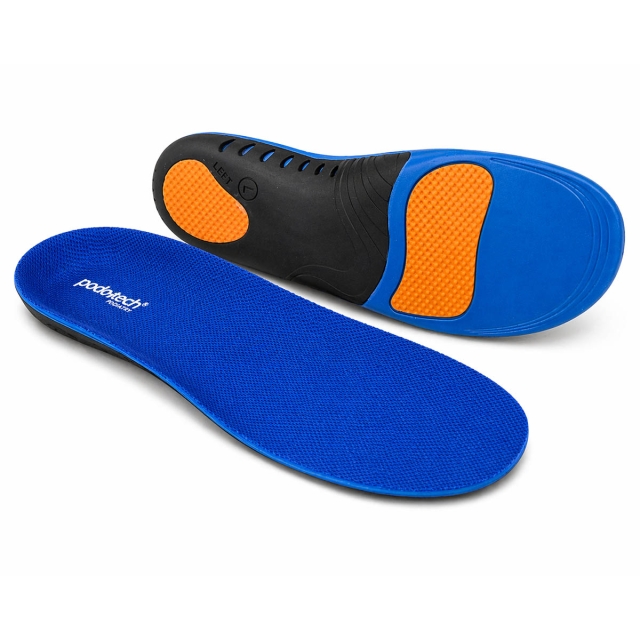
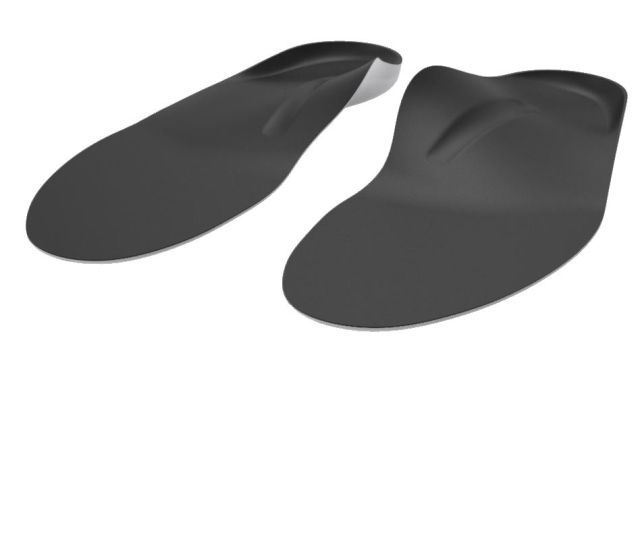
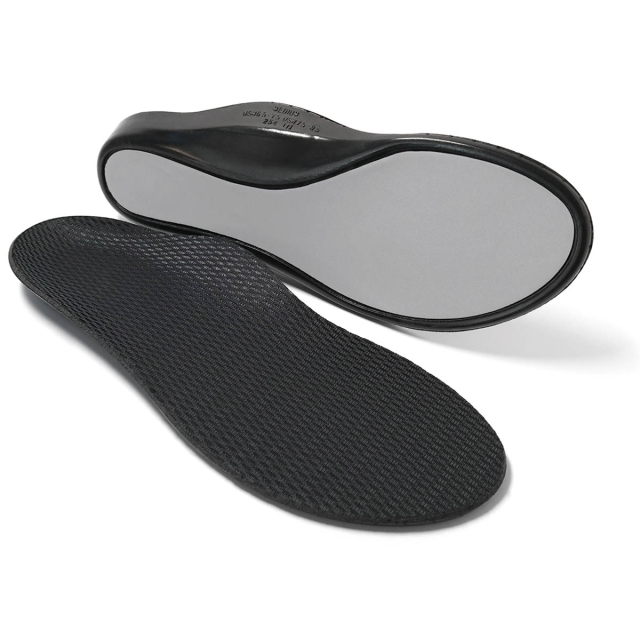
- Custom or Over-the-Counter Insoles: The NHS may refer patients for an assessment to determine if bespoke orthotic devices are necessary. For many, simple arch supports or cushioned insoles can provide significant relief.
- Footwear Modifications: Advice on appropriate footwear is a key element of treatment. Well-cushioned, supportive shoes can help reduce the stress on your heel and promote a more natural gait.
Specialist Referrals
- Physiotherapy and Podiatry: For cases that do not respond to initial treatments, referrals to physiotherapists or podiatrists are common. These specialists are well-equipped to provide tailored rehabilitation programmes.
- Advanced Interventions: Although surgery is rarely required, in more persistent cases, the NHS might consider options such as corticosteroid injections. However, these are usually reserved for patients who have not responded to conservative treatments.
Overall, the NHS treatment pathway is designed to be accessible and cost-effective, with a focus on long-term self-management and rehabilitation.
Private Podiatry: A More Personalised Approach
Tailored Treatment Plans
- Comprehensive Assessments: Private podiatrists often provide a more in-depth initial consultation. This personalised approach may include gait analysis, detailed biomechanical assessments, and the use of advanced diagnostic tools.
- Custom Orthotic Devices: While the NHS offers both bespoke and standard orthotics, private clinics frequently have access to a wider range of materials and designs. These devices are designed to offer optimal support tailored specifically to your foot structure.
Advanced Therapies
- Shockwave Therapy: Extracorporeal shockwave therapy (ESWT) is one treatment gaining traction in the private sector. This non-invasive procedure can stimulate healing in the affected tissues and is often recommended for chronic cases.
- Innovative Pain Management: Private practitioners might offer alternative pain management strategies, including customised exercise programmes and novel therapeutic techniques, ensuring that treatment aligns with the latest research and clinical practices.
Faster Access and Continuity of Care
- Shorter Waiting Times: One of the significant advantages of private podiatry is the reduced waiting time for appointments. This means you can begin your treatment plan sooner, which may lead to quicker recovery.
- Dedicated Follow-Up: With a focus on continuity of care, many private clinics offer regular follow-ups to monitor progress and adjust treatment as necessary. This close relationship between patient and practitioner often leads to better overall outcomes.
For many patients, the decision between NHS and private treatment comes down to personal circumstances, budget considerations, and the level of customisation they require.
Both pathways offer proven strategies for managing plantar fasciitis, but private podiatry can be especially appealing for those who value personalised care and innovative treatments.
Additional Treatment Options
- Weight Management: Maintaining a healthy weight can reduce the strain on your feet and support long-term recovery.
- Lifestyle Modifications: Incorporating low-impact exercises like swimming or cycling can help maintain fitness while allowing your heel to heal.
- Self-Care Techniques: Regular stretching, proper warm-ups before exercise, and the use of supportive footwear at home and work are all simple yet effective ways to manage symptoms and prevent recurrences.
Prevention and Self-Care
Prevention is always better than cure. For those who have experienced plantar fasciitis or wish to avoid it altogether, here are some proactive steps:
- Regular Stretching: Simple daily routines that focus on the calf muscles and the plantar fascia can keep your feet flexible and less prone to injury.
- Investing in Good Footwear: Whether you’re buying new running shoes or comfortable everyday footwear, ensure they offer proper support and cushioning.
- Professional Advice: Even if you’re not in pain, regular check-ups with a podiatrist can help spot potential issues early and keep your feet in prime condition.
Recent Developments in plantar fasciitis care
In the last couple of years, clinical guidance and best-practice reviews have increasingly emphasised that plantar fasciitis (often described as plantar fasciopathy) is usually managed best with a blended approach rather than any single 'magic fix'.
In practice, that means pairing education and activity modification with targeted loading, plus short-term support strategies to keep people moving comfortably.
- Education + load management remain the foundation: most people improve with time, consistent rehab, and sensible activity adjustment (rather than complete rest for long periods).
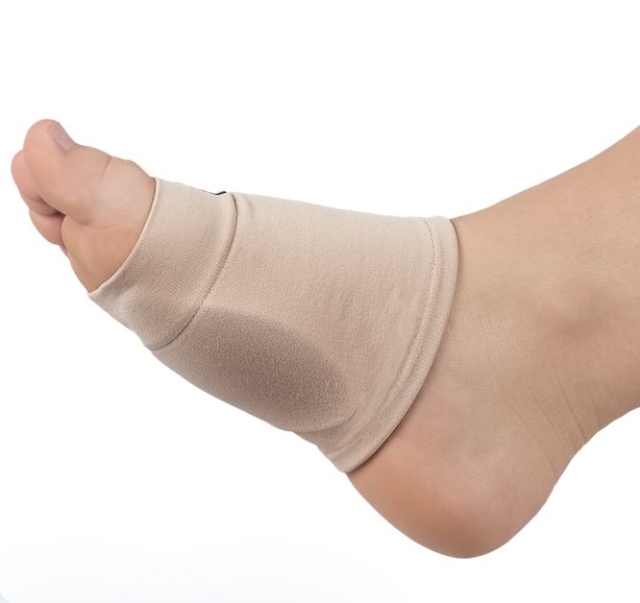
- Stretching, taping, and supportive devices can help symptom control: short-term measures can reduce pain enough to make exercises and day-to-day activity more manageable.
- Orthoses tend to work best as part of a plan: current clinical guidance supports using prefabricated or custom orthoses alongside other interventions (not as a standalone solution).
If you’re building a practical “'combined' plan, these Algeos resources can help patients and clinicians choose supportive options that fit real life:
- Orthotic insoles and foot orthotics (arch support and cushioning options)
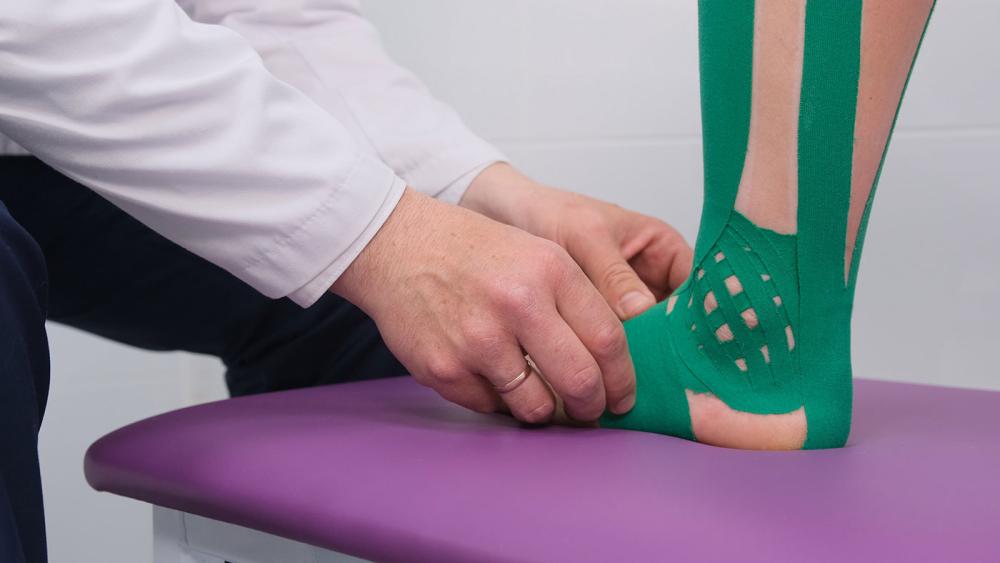
- Tapes for plantar fasciitis (support during work, sport, and long standing)
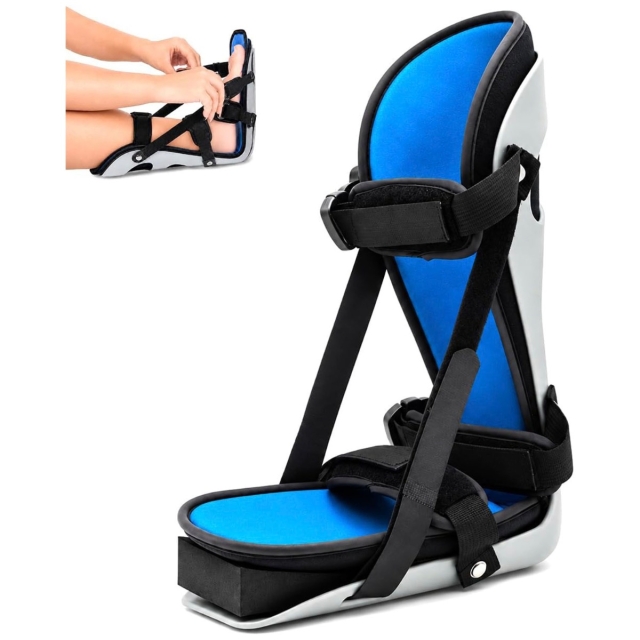
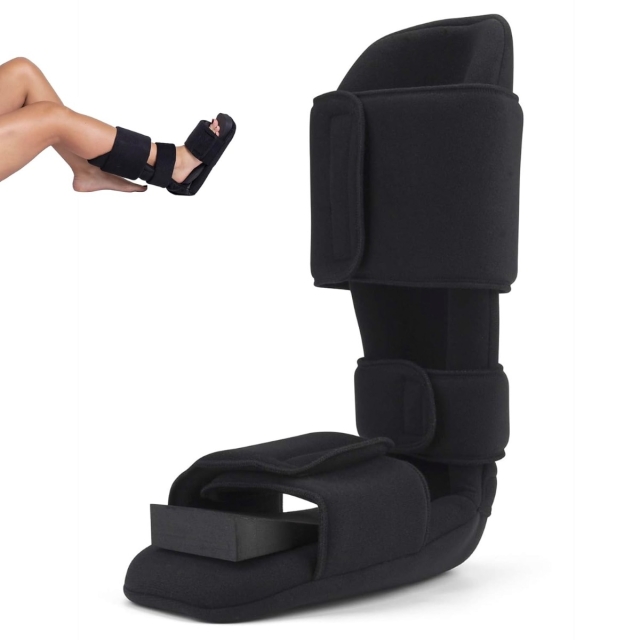
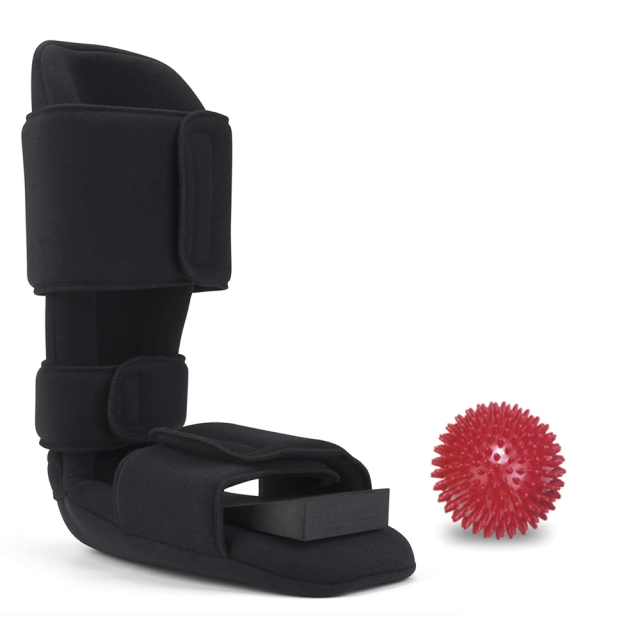
- Night splints (often used to reduce painful “first steps” in the morning)
When should you consider shockwave therapy or injections?
For stubborn cases (often symptoms persisting beyond several months despite consistent conservative care), escalation can be appropriate. In the UK, availability varies by local NHS pathway, and private clinics may offer faster access. Two commonly discussed options are:
- Shockwave therapy (ESWT): NICE has interventional procedure guidance on extracorporeal shockwave therapy for refractory plantar fasciitis. It’s generally positioned for persistent cases that have not settled with first-line management, and local availability/funding can differ.
- Injections: corticosteroid injections may offer short-term pain relief for some people but can be used cautiously due to potential risks. Interest in platelet-rich plasma (PRP) has grown, with recent evidence syntheses suggesting PRP may offer better longer-term outcomes than corticosteroid injection in some contexts (although study quality and protocols vary across the literature).
From a practical point of view, clinicians often find these escalated options work best when patients are also supported with rehab and load-management (so the symptom improvement translates into better function, not a rapid return to aggravating loads).
Common questions clinicians and patients are asking in 2026
Do I need imaging?
Imaging isn’t always required for classic plantar fasciitis presentations, but it may be considered if symptoms are atypical, severe, not improving as expected, or if there are red flags (for example, a history suggesting stress fracture, systemic inflammatory disease, infection, or neurological symptoms).
What can I do at home that’s actually structured?
Many people do best with a simple, repeatable home plan (especially when NHS appointments are limited). A typical structure includes:
- Daily calf/plantar fascia stretching and progressive strengthening
- Short-term taping (particularly for long days on your feet)
- Targeted cushioning/offloading if heel strike is very painful
- Night splints where morning pain is a major feature
These Algeos pages are useful for building a home programme with clear product categories and supporting guidance:
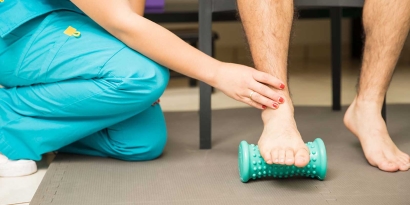
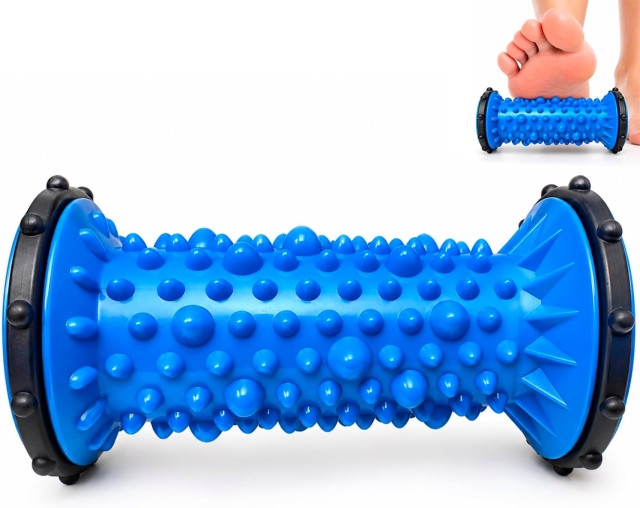
- Home therapy aids for plantar fasciitis (rollers, massage tools, stretching aids)
- Plantar fasciitis exercise guide (a simple strengthening option with demo)
- Gel heel cups (shock absorption and pressure redistribution)
- Plantar fasciitis treatment at home (a practical guide for step-by-step self-management)
In a nutshell
Plantar fasciitis can be a painful and limiting condition, but with the right treatment plan, relief is entirely within reach. The NHS offers a tried-and-tested approach that emphasises conservative management, while private podiatry provides a more tailored and innovative suite of treatments.
Whether you opt for the public healthcare system or a private clinic, the key is early intervention and a commitment to long-term foot health.
By understanding your treatment options and taking proactive steps in your care, you can look forward to returning to your daily activities with confidence and comfort.
If you’re uncertain about the best path for you, consulting with a trusted healthcare professional can provide clarity and set you on the path to recovery.
Whether you choose NHS or private treatment, remember that effective management of plantar fasciitis often involves a combination of professional care and proactive self-management. Here’s to taking each step with confidence and comfort!
Check out Algeos solutions for Plantar Fasciitis.
Article revised 1st February 2026
References
- NICE: Extracorporeal shockwave therapy for refractory plantar fasciitis (IPG311)
- NICE CKS: Plantar fasciitis
- JOSPT Clinical Practice Guideline (2023): Heel Pain – Plantar Fasciitis
- British Journal of Sports Medicine: Best practice guide for management of plantar heel pain
- Springer (2024): Overview of systematic reviews comparing PRP vs corticosteroid injection for plantar fasciitis




Sold: Sold per Pair
Incl. VAT Exl. VAT